 |
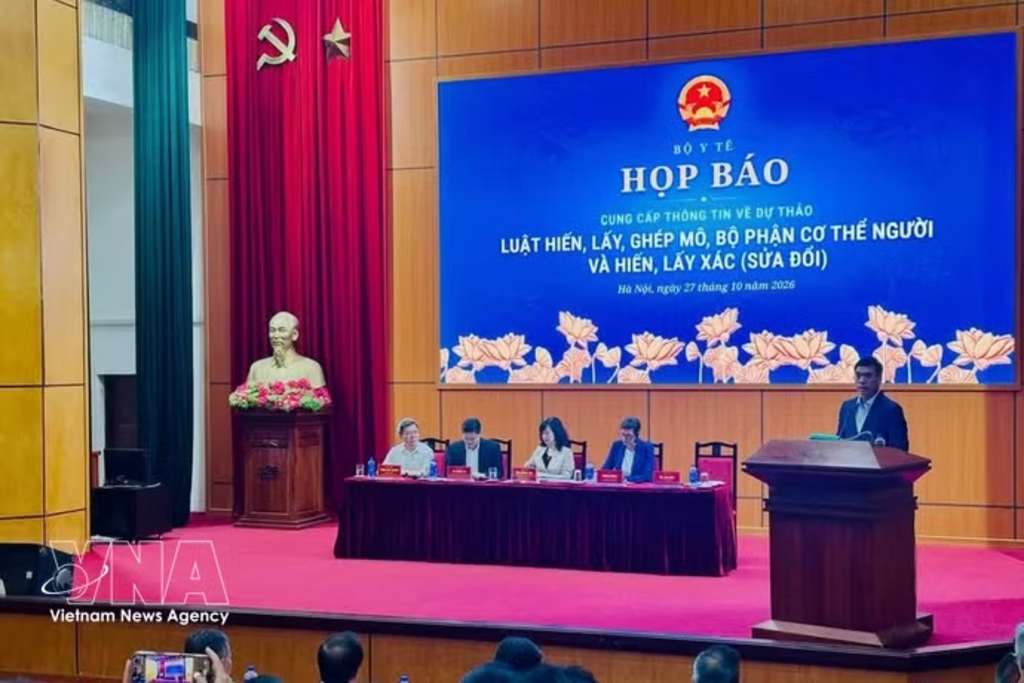
| At the press briefing held by the Ministry of Health on October 27__Photo: VNA |
Standing Deputy Minister of Health Vu Manh Ha provided detailed information on draft amendments to the Law on Donation, Removal and Transplantation of Human Tissues and Organs and Donation and Removal of Cadavers at a press briefing in Hanoi on October 27, clarifying provisions allowing children to donate tissues and organs as well as measures to protect their rights and interests.
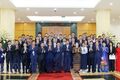
The event was attended by representatives of central-level agencies and ministries, the World Health Organisation (WHO) Representative Office in Vietnam, leaders of the Ministry of Health and its departments, agencies, offices, hospitals and affiliated centres, as well as leading Vietnamese experts in paediatrics, surgery and organ transplantation.
Completing legal framework, expanding access to tissue, organ transplantation
Ha said that the 2006 Law on Donation, Removal and Transplantation of Human Tissues and Organs and Donation and Removal of Cadavers has established an important legal framework, contributing to the development of tissue and organ transplantation in Vietnam.
From the country's first organ transplant in 1992 to March 2026, a total of 11,187 human organ transplants were performed nationwide, giving many people, including children, a new lease on life. However, two decades of implementation revealed a number of shortcomings, making amendments to the law necessary.
He outlined existing legal gaps. Under the 2006 law, only people aged 18 or above are eligible to register to donate tissues and organs. It does not permit the removal of tissues or organs from deceased donors under the age of 18, or the donation of regenerative tissues by living donors under 18.
Each year, children need around 55 liver transplants and 60 kidney transplants. The current waiting list includes approximately 200 children awaiting liver transplants.
According to estimates by the National Children's Hospital, demand for haematopoietic stem cell transplantation can be met only to around 30 per cent because current legislation does not permit donations by people under 18.
He provided explanations on the scientific basis for the proposed amendments.
Ha said the draft law prohibits the removal of organs from living donors under the age of 18. Tissues or organs may be recovered from deceased donors under 18 only after an independent expert council has determined brain death or circulatory death, the individual registered or expressed a wish to donate before death, and consent has been obtained from their parents or legal guardian.
For living donors under 18, only regenerative tissues, primarily haematopoietic stem cells, may be donated to treat a family member when no suitable adult donor is available. Those aged 15 to under 18 may donate to family members, while children under 15 may donate only to their parents or biological siblings. The child must be medically fit, receive independent counselling, and give consent alongside their parents or legal guardian.
The draft also permits the donation of tissues from parts of the body that the donor no longer needs, provided both the individual and their parents or legal guardian consent.
Regarding safeguards against the trafficking and commercial exploitation of tissues and organs from people under 18, Ha said the draft set out specific measures. These include requiring consent from both the child and their parents or legal guardian, in accordance with Article 52 of the Civil Code.
Donations of regenerative tissue by those aged 15 to under 18 would be restricted to family members, while children under 15 could donate to their parents or biological siblings. The Ministry of Health would continue studying a proposal to narrow the latter category to biological siblings only.
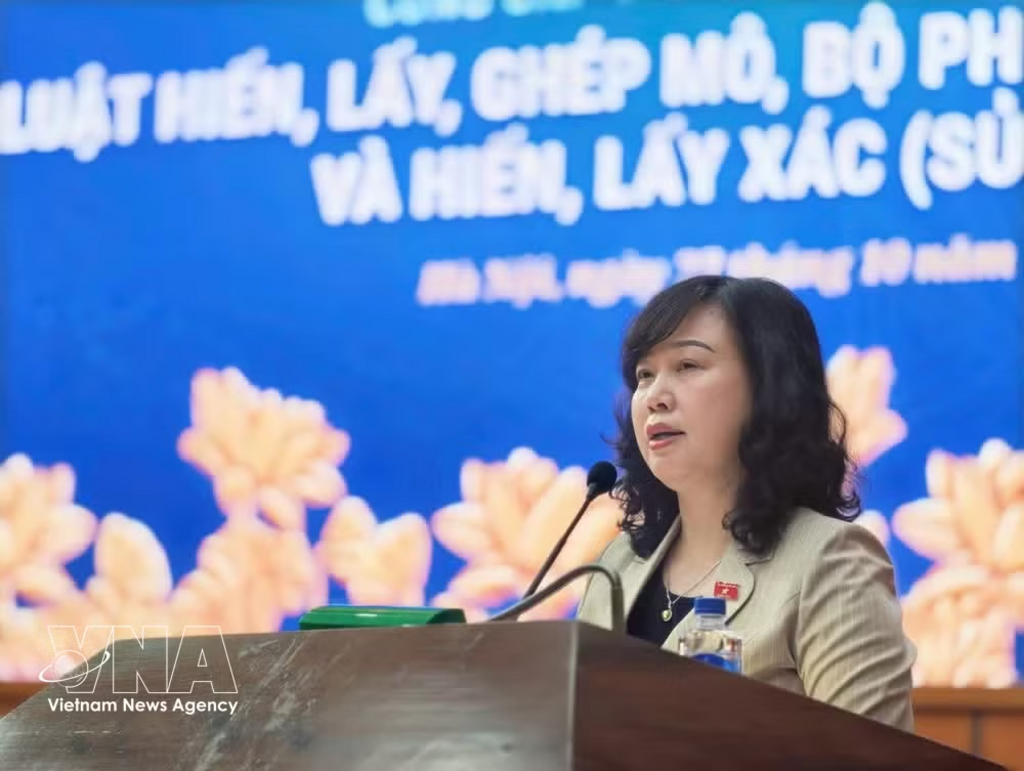 |
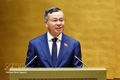
| Minister of Health Dao Hong Lan speaks at the press briefing__Photo: VNA |
Donors would receive independent counselling under procedures issued by the Ministry of Health to ensure they are fully informed, acted voluntarily and are not coerced. Any objection or refusal expressed by a child, at any stage or under any circumstances, would be respected and recorded.
For donations after death, brain death or circulatory death must be established through strictly regulated procedures designed to ensure independence and objectivity.
Vietnam ranks fourth globally in terms of the stringency of its criteria for determining brain death, according to the official. A person may be declared brain-dead or dead by circulatory criteria only when all members of the expert council reach that conclusion.
The individual must also have registered to donate or expressed a wish to do so before death, and consent must be obtained from their representative, namely a parent or legal guardian.
The draft law also adds prohibited acts to prevent the misuse of guardianship or adoption arrangements to obtain tissues or organs from minors, the creation of embryos for cell extraction, the removal of tissues or organs from foetuses, and the organisation of overseas trips for Vietnamese people to donate or receive organs in violation of the law.
Safeguarding children's rights preventing coercion, exploitation in tissue, organ donation
At the press briefing, experts, policymakers and scientists answered media questions about the proposal to allow tissue and organ donations by people under 18.
Discussions focused on the rationale for the policy and its scope in cases involving donations by living and deceased donors, as well as concerns over children's rights, their ability to make decisions, the role of parents, and the risks of coercion, trafficking and exploitation. Participants stressed the need to ensure voluntary consent, medical safety and the strongest possible protection of children's rights and interests.
Dr Nguyen Huy Quang from the Vietnam General Association of Medicine and former head of the Ministry of Health's Legal Affairs Department, said regulations on tissue and organ donation and transplantation involving people under 18 should be considered on scientific and legal grounds, with the humanitarian objective of treating patients as the guiding principle.
Quang emphasised the need to clearly distinguish between the removal of regenerative tissues from living donors and the removal of tissues or organs from deceased donors. Explaining the scope, conditions and principles governing the proposed rules in full would help the public understand the policy correctly and avoid treating fundamentally different cases as equivalent.
Dr Angela Pratt, WHO Representative in Vietnam, stressed that the organisation supported efforts to facilitate donation and transplantation to save lives, including appropriate donations involving children, provided that the best interests of the child remained paramount.
The WHO welcomed the proposed reforms to Vietnam's tissue and organ donation and transplantation system, noting that the draft law is broadly aligned with its guidance and international practice. However, she said further strengthening is needed in provisions safeguarding minors and in implementation arrangements.
Experts at the briefing also emphasised the need to ensure children's right to participate, distinguish between consultation during policymaking and seeking a child's views in an individual case, and establish independent assessment mechanisms to prevent coercion and manipulation and protect the child's best interests.
Concluding the briefing, Minister of Health Dao Hong Lan stressed that amendments to the legislation on human tissue and organ donation, removal and transplantation must stem from practical needs and serve the overriding goal of caring for, protecting and improving public health. Policymaking must uphold humanitarian values while carefully considering legal and ethical issues and the interests of all parties concerned, particularly children.
The minister called on experts, scientists, press agencies and the public to continue contributing their views to help the drafting body refine the bill and establish a robust, workable legal framework that both protects human rights and offers more patients a chance of survival.- (VNA/VLLF)