 |
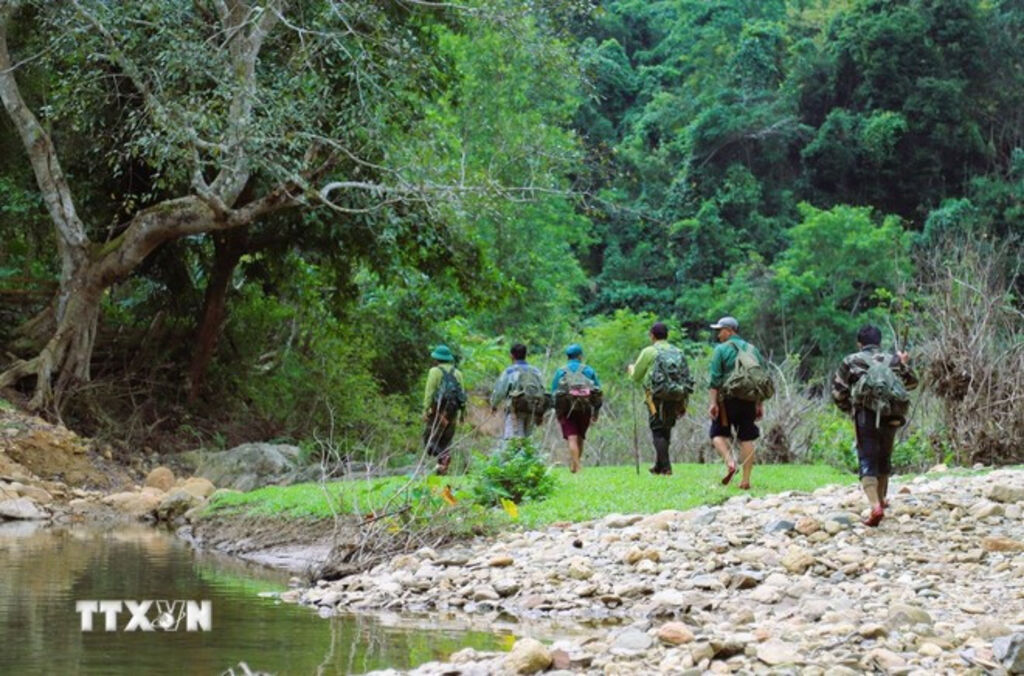
| A biodiversity survey team collecting specimens and setting camera traps make their way into the core zone of Sub-area 729 in the Pu Huong Nature Reserve__Photo: VNA |
Established in 2008, the museum of the Pu Huong Nature Reserve in Quy Hop commune, the central province of Nghe An, serves as a vital repository for the rare and valuable genetic resources of the area’s rich flora and fauna.
A “miniature world” of the biosphere reserve
The museum has three main sections: a hall of tradition with a 3D model showing the reserve’s terrain, geomorphology, and overall ecological landscape; an exhibition area with 150 zoological specimens; and another space displaying over 500 plant specimens.
Tran Duc Long, head of the Office for Science – Technique and International Cooperation at the Pu Huong Nature Reserve Management Board, said the collection includes samples voluntarily contributed by local residents as well as specimens gathered by research teams during field surveys across both core and buffer zones. Most specimens have now been digitized and entered in a database, with technical treatment applied to prevent mould and organic decay.
Beyond expanding the collection for scientific study, the center aims to strengthen collaboration with research institutes, universities, and organizations in Vietnam and abroad in a bid to better promote the reserve’s image internationally.
Covering nearly 46,500 hectares, Pu Huong is home to almost 570 animal species, including 69 named in the Vietnam Red Data Book, 51 in the International Union for Conservation of Nature (IUCN) Red List of Threatened Species 2020, and 36 in the Convention on International Trade in Endangered Species of Wild Fauna and Flora (CITES) list; together with over 1,800 plant species, including 76 in the Vietnam Red Data Book and 15 in the IUCN Red List 2020.
It is one of the three special-use forests forming the core zone of the Western Nghe An Biosphere Reserve, which was granted the world status by UNESCO in 2007.
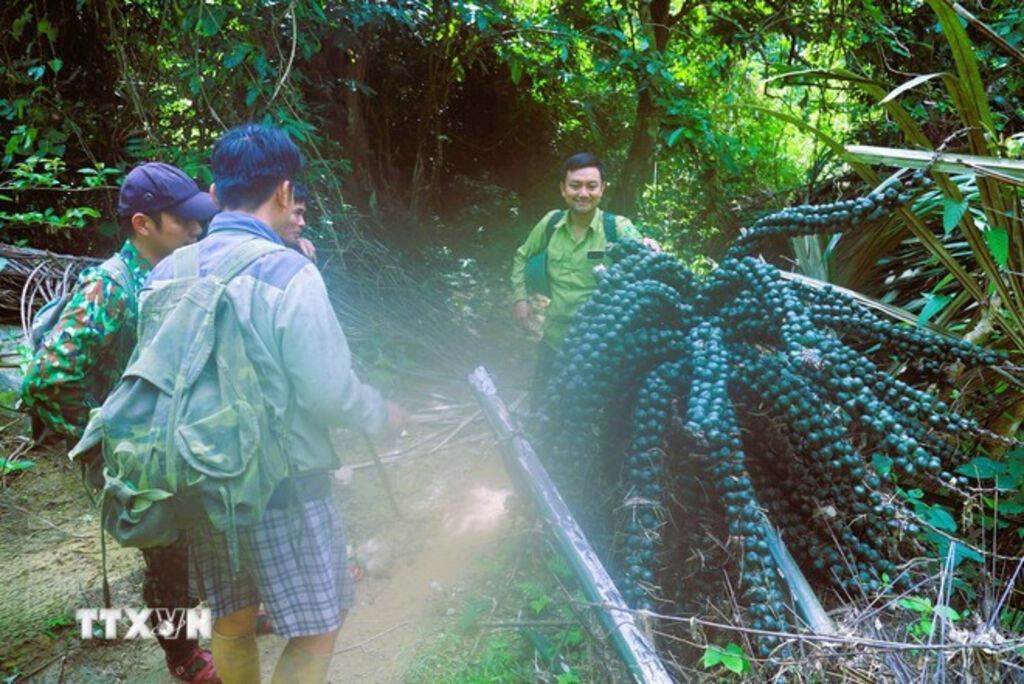 |
| Amid the vast forests of the Pu Huong Nature Reserve, many plant species boast striking and unusual appearance__Photo: VNA |
Unlocking the museum’s value
Hoang Anh Tuan, Deputy Director of the Reserve Management Board, noted that since 2023, the museum has been arranged following the model of an open natural and cultural one, serving not only scientific research but also the public’s demand for visits.
In 2025, the board began a pilot program linking museum tours with experiential learning activities in a 10-hectare peripheral botanical garden comprising nine sub-zones. The program is designed for fifth graders in local primary schools, helping them build foundational knowledge of the natural world and deepen their awareness of forest conservation.
However, Tuan acknowledged that preservation of specimens remains challenging due to the lack of dedicated facilities such as climate-controlled storage cabinets and humidity-regulation equipment, as well as the shortage of professionals. In the long term, the reserve plans to invest in standard storage infrastructure, increase specialized staff training, develop systematic handling and storing procedures, apply digital technology to specimen management, and expand partnerships with research institutions for technical and financial support.
Dr Nguyen Hai Ha, a lecturer at the Vietnam National University of Forestry specializing in biodiversity and wildlife conservation, emphasized that the reserve’s museum form an essential part of modern scientific and educational infrastructure. It plays a vital role in exhibiting, preserving, and disseminating knowledge on biodiversity, geology, and the environment.
By bridging science, education, and tourism, such museums become open knowledge hubs that significantly contribute to nature conservation and sustainable development, Ha noted.- (VNA/VLLF)