 |
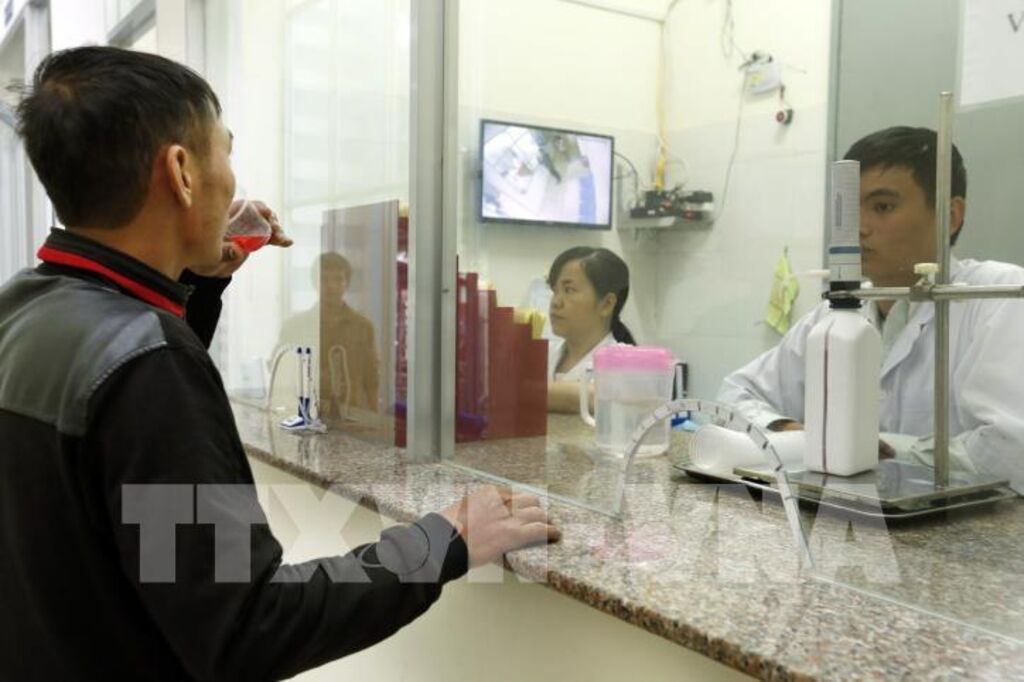
| Healthcare workers manage and monitor methadone treatment for patients__Photo: VNA |
The People’s Committee of Ho Chi Minh City issued a plan to implement Project 6 on boosting the healthcare response to drug prevention and control under the National Target Programme on Drug Prevention and Control through 2030 across the city.
The plan aims to elevate the healthcare sector’s professional capacity to effectively deliver drug addiction treatment, reduce harm and manage drug users. It also seeks to fully and promptly translate Project 6’s objectives, targets, tasks and solutions into concrete measures tailored to local conditions following the adoption of the two-tier local administration model.
During the 2026-2030 period, the plan will be implemented in 168 communes, wards and special zones, at public and non-public healthcare facilities, facilities authorised to determine drug addiction status, treatment facilities and facilities dispensing medicines for opioid substitution treatment (OST), and drug rehabilitation facilities.
Target groups include state management agencies, non-business units, socio-political organisations, social organisations and individuals involved in Project 6, health workers, social workers, collaborators and persons involved in community-based coordination, people who illegally use narcotics, people with drug dependence, people receiving OST and those having completed drug rehabilitation, as well as their family members and supporters.
The implementation must comply with the Ministry of Health’s professional guidelines and the management mechanisms of the National Target Programme. Priority will be given to areas heavily affected by drugs and HIV/AIDS, hard-to-reach areas, coastal areas, islands, and underserved areas.
The plan also calls for utilisation of the existing healthcare network and provision of integrated services. Investment will be made only when needs, technical standards and capacity for sustainable operation have been clearly identified.
By 2030, the city targets that 80 per cent of commune-level healthcare facilities will be able to determine drug addiction status. It also aims to maintain and improve the quality of OST, ensure access to treatment services for all those who are in need and voluntarily seek treatment, and intensify measures to help patients remain in treatment.
At least 90 per cent of people receiving OST and those illegally using narcotics are expected to receive appropriate counseling, support, and medical and psychological interventions.
The proportion of commune-level healthcare facilities determining drug addiction status is set to reach 65 per cent in 2026, 70 per cent in 2027, 75 per cent in 2028 and 80 per cent in 2029, before being maintained at 80 per cent or higher in 2030.
The plan aims to ensure the safe and continuous operation of all facilities providing methadone treatment, prevent disruptions to medicine supplies, and ensure that all facilities will undergo annual professional inspection and supervision.
To this end, the plan focuses on seven tasks and solutions, including improving coordination mechanisms, reviewing the current situation, mapping service needs and developing the service network; expanding, and ensuring the quality of, drug addiction status assessments, maintaining and improving OST quality; providing medical and psychosocial interventions and responding to synthetic drug and polydrug use; providing harm reduction, counseling, testing and comprehensive healthcare services; and promoting training and community communication.
The municipal Department of Health will take charge of, and advise the municipal People’s Committee on, implementing Project 6, issuing professional guidelines and annual plans, and monitoring the implementation. It will also make and submit implementation reports to the Ministry of Health, the municipal Public security office and People’s Committee.
The Department of Health will also review and publish lists of healthcare facilities authorised to determine drug addiction status, strengthen the methadone treatment network, and coordinate the supply of medicines and biological products, training and technical assistance.
The municipal Public security office will coordinate with the Department of Health in implementing Project 6 as part of the National Target Programme, and providing and cross-checking information for planning, assessment of needs and evaluation of implementation results.- (VLLF)