 |
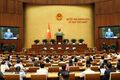
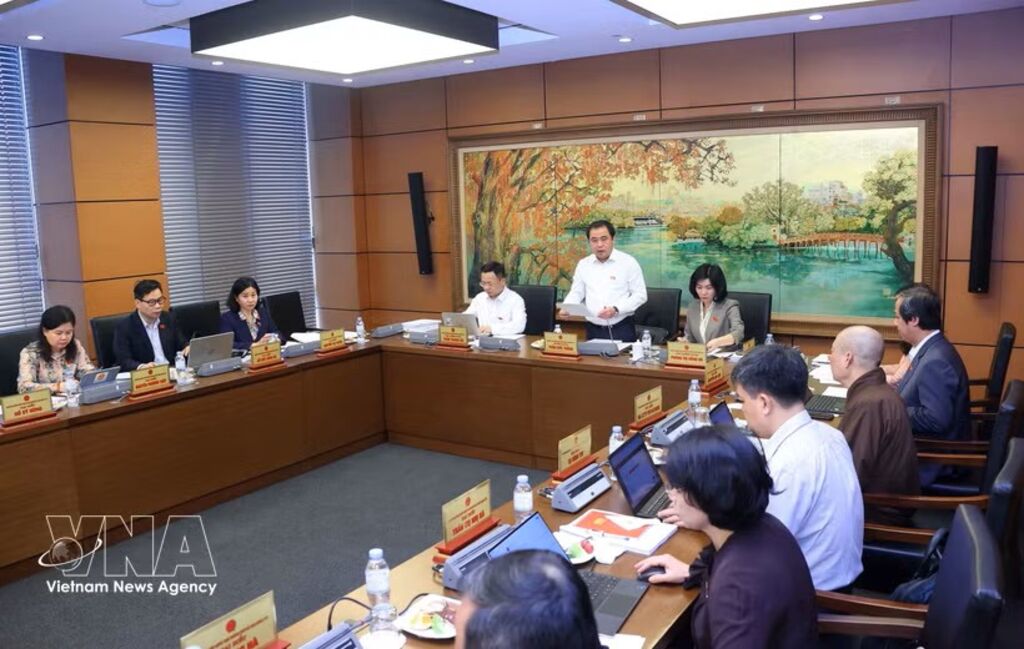
| Deputies in a group discussion __Photo: VNA |
Lawmakers called for turning the Politburo’s Resolution 80-NQ/TW into a binding resolution as they debated ways to revitalise the nation’s cultural foundations during group discussions in Hanoi on April 20 over the National Assembly’s draft resolution on Vietnamese cultural development.
The draft resolution seeks to lure more investment into cultural industries, aiming for the sector to contribute 7 per cent to GDP by 2030 and 9 per cent by 2045. It also sets ambitious goals of ranking Vietnam among the top three countries in Southeast Asia and the global top 30 for national soft power.
Avoiding blanket incentives
Lawmakers broadly backed Article 2 of the draft, which would designate November 24 as Vietnam Culture Day, a fully paid public holiday, to boost youth engagement in cultural activities and events. Some pushed for simultaneous nationwide community events, including cultural festivals and showcases of traditional family cuisine, to deepen public understanding of the occasion.
A key concern was the policy framework for attracting investment in cultural development. Deputy Vo Ngoc Thanh Truc from Ho Chi Minh City warned against granting maximum corporate income tax incentives to online video games, arguing against blanket tax incentives for all video games. Truc instead called for narrowly targeted support limited to projects with clear educational value or those that promote national history and cultural traditions. She also called for technical tools to control screen time, particularly for children.
On broader tax incentives, the draft proposes a 5 per cent value-added tax rate for performing arts and exhibitions. Truc opposed a one-size-fits-all approach, noting that while commercial entertainment can stand on its own financially, traditional arts are fighting for survival.
She recommended keeping the 5 per cent VAT for commercial arts but introducing a 0% rate or full exemption for traditional performing arts and heritage exhibitions during an initial three-to-five-year pilot. Such a step would serve as a “lifeline” for cultural values at risk of vanishing, Truc explained.
Pooling resources for cultural industries
Another deputy of Ho Chi Minh City, Truong Minh Huy Vu, stressed the urgency of building cultural industries. While Article 4 addresses resource mobilisation, he pointed out the lack of any mention of strategic investors and called for the omission to be corrected.
He also pressed the Ministry of Culture, Sports and Tourism to create an industry-wide data framework to integrate cultural data, an essential component for effective rollout.
Welcoming the proposal for a cultural and arts fund structured as a public-private venture investment vehicle, Vu noted the draft fails to specify whether it can accept foreign capital, particularly from powerhouses such as the Republic of Korea with advanced cultural and entertainment sectors.
Deputy Nguyen Thi Viet Nga from Hai Phong city endorsed the fund but flagged risks of overlapping support mechanisms already scattered across the cultural sector. She demanded transparent and competitive project selection, clear accountability, strict investment discipline, and proper risk-sharing with private partners. The State should not shoulder all the risks alone but instead adopt co-investment models that harness both public resources and private sector expertise, she said.
Deputy Nguyen Thi Yen Nhi from Vinh Long province urged building a healthy and transparent cultural ecosystem, with a strong focus on effective intellectual property protection to spur creativity.
She also highlighted the need to help cultural enterprises build globally competitive brands, while ensuring appropriate regulatory mechanisms to balance market growth, cultural exchange, and national identity preservation, without sliding into over-commercialisation or cultural erosion.- (VNA/VLLF)