 |
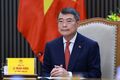
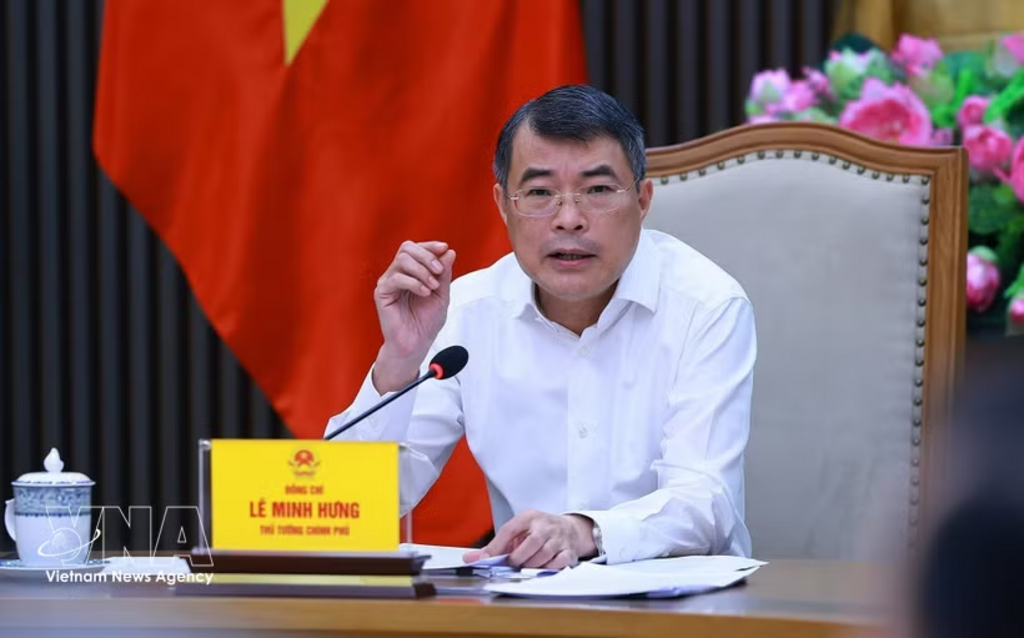
| Prime Minister Le Minh Hung at the working session with the Ministry of Health and relevant ministries and agencies on September 8 to discuss a draft law amending and supplementing several laws in the healthcare sector__Photo: VNA |
Prime Minister Le Minh Hung has directed the health sector to resolve supply bottlenecks and establish transparent mechanisms that ensure an adequate supply of medicines and medical equipment at reasonable prices.
Chairing a working session with the Ministry of Health and relevant ministries and agencies on September 8 to discuss a draft law amending and supplementing several laws in the healthcare sector, scheduled for submission to the National Assembly at its second session in October 2026, PM Hung acknowledged the health sector's efforts in improving legal frameworks, resolving procurement bottlenecks, and enhancing quality standards. However, he emphasised that further work is required to meet the goals set out in Politburo Resolution 72-NQ/TW on protecting and improving public health.
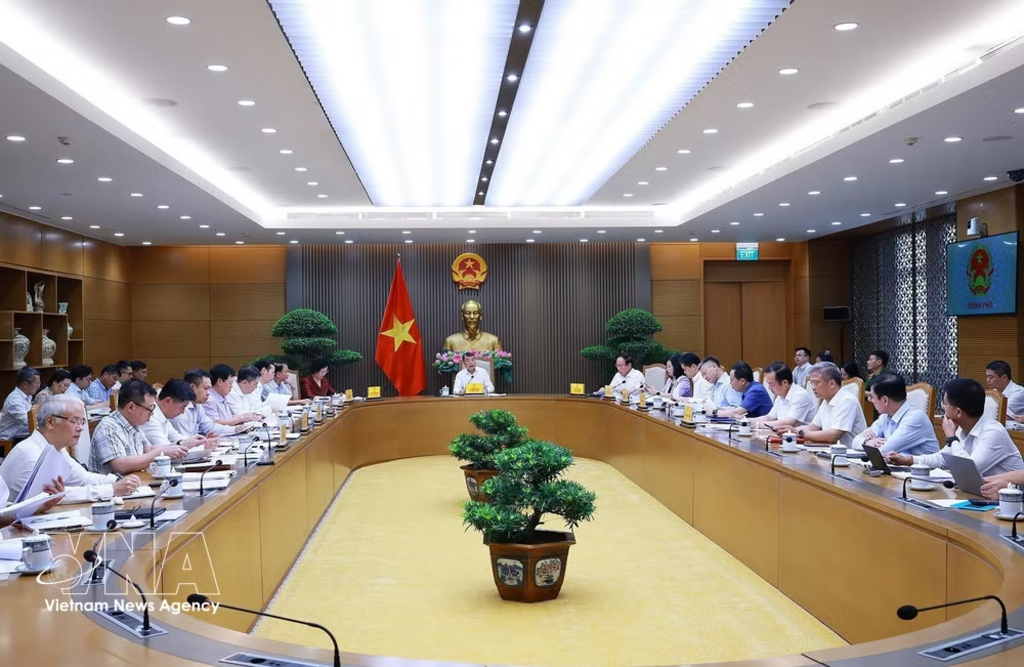 |
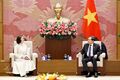
| At the working session on September 9__Photo: VNA |
The PM highlighted the growing scale of Vietnam's market, noting that the medical equipment sector reached approximately USD 2 billion in 2025, while the pharmaceutical market stood at USD 7–8 billion , with potential to double to USD 15–16 billion over the next five years. Average annual drug consumption per capita is estimated at USD 70–78 and is projected to rise rapidly alongside improving living standards.
However, domestic production of medical devices is limited and heavily reliant on imports, with high prices, inconsistent regulations, and a shortage of high-quality human resources.
In the pharmaceutical sector, Vietnam remains dependent on imported brand-name drugs and raw materials. Complex administrative procedures, multi-tiered distribution channels, and bidding criteria prioritising the lowest price over overall quality further hinder market efficiency.
To address these shortcomings, PM Hung directed key measures focused on market stabilisation, transparency, and digital transformation.
The PM asked ministries and agencies to strictly monitor prices from manufacturers and suppliers to hospitals and consumers via interconnected data systems.
He also called for stronger digital transformation, including fully digitising the supply chain - from manufacturing plants and import warehouses to retail pharmacies - through national database systems.
The Cabinet leader assigned the Ministry of Health to finalise the legal draft dossier for submission to the Government before September 15.
Regarding the draft Law on Food Safety (revised), PM Hung instructed the ministry to shift the management focus from pre-inspection to post-inspection, establish risk-based monitoring systems, enforce traceability across supply chains, and unify food safety management under a streamlined authority from central to local levels.- (VNA/VLLF)