 |
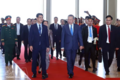
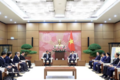
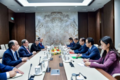
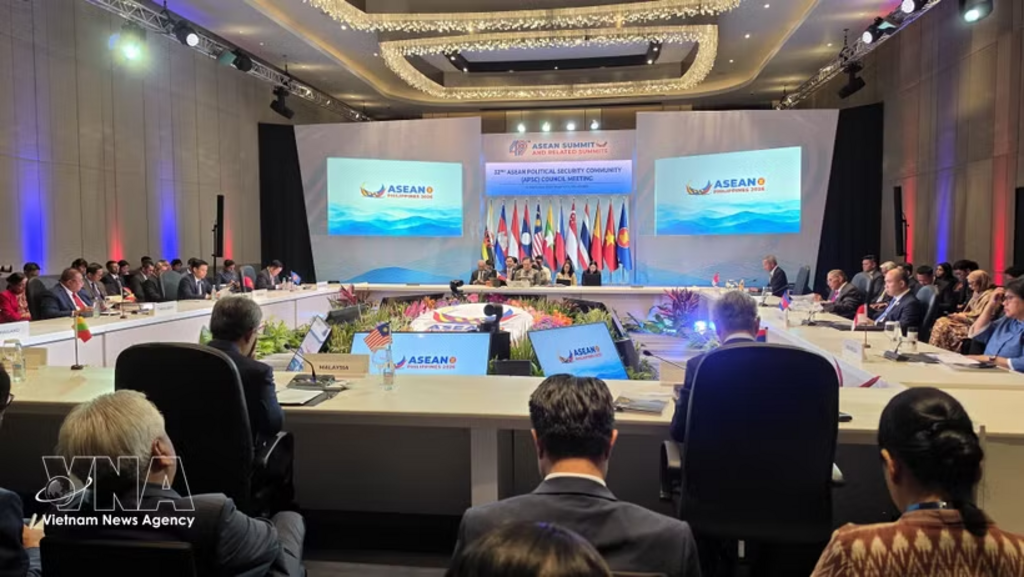
| An overview of the ASEAN Foreign Ministers’ Meeting on November 14, 2026__Photo: VNA |
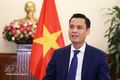
Vietnam supports promoting a regional culture of consultation, dialogue, confidence-building and preventive diplomacy through ASEAN mechanisms, Deputy Minister of Foreign Affairs Dang Hoang Giang affirmed on November 14.
Speaking at the ASEAN Foreign Ministers’ Meeting (AMM), the 32nd ASEAN Political-Security Community (APSC) Council Meeting and the 39th ASEAN Coordinating Council (ACC) Meeting in Manila, the Philippines, Giang stressed that amid conflicts and instability in various parts of the world, the Association of Southeast Asian Nations (ASEAN) should give top priority to strengthening the foundations of peace and stability, uphold the rule of law and promote the bloc’s principles and norms of conduct, particularly the Treaty of Amity and Cooperation in Southeast Asia (TAC).
He called for greater use of ASEAN mechanisms to strengthen the bloc’s capacity to prevent and resolve conflicts and respond effectively to transnational challenges, including drug trafficking, online scams and transboundary haze.
Giang reaffirmed Vietnam’s commitment to working closely with other countries to advance negotiations and achieve an effective and substantive Code of Conduct in the East Sea (COC), in line with international law, particularly the 1982 United Nations Convention on the Law of the Sea (UNCLOS).
Vietnam also supports ASEAN’s proactive engagement with Myanmar to promote dialogue and reconciliation based on the Five-Point Consensus, while encouraging the country to build on progress made in recent times, he said.
Regarding future cooperation, the Vietnamese representative emphasised that the effective implementation of the 2026 APSC Strategic Plan will lay the foundation for achieving the goals of the ASEAN Community Vision 2045.
He proposed strengthening the ACC’s cross-sectoral and cross-pillar coordination role, with support from the ASEAN Secretariat, to address multifaceted challenges such as climate change, cybersecurity and energy security.
Giang suggested that ASEAN should also foster a stronger culture of implementation, translating commitments into concrete programmes and actions that bring tangible benefits to its people. In this regard, he highlighted the need to make better use of newly signed agreements, including the ASEAN Trade in Goods Agreement (ATIGA) and the ASEAN Digital Economy Framework Agreement (DEFA).
The official affirmed Vietnam’s support for efforts to address issues directly affecting the welfare and well-being of ASEAN people, adding that the country will continue working closely with Indonesia, Thailand and other member states to bring the ASEAN Centre for Public Health Emergencies and Emerging Diseases (ACPHEED) into operation at an early date.
On external relations, he said that the establishment of partnerships with new partners should be consistent with ASEAN’s development objectives and criteria, contributing to strengthening unity, centrality and practical contributions to community-building.
Giang also shared outcomes of several prominent Vietnamese multilateral initiatives, including the ASEAN Future Forum 2026, held in June, and the ASEAN Forum of Legal Advisers on Public International Law (AFLA), held in October.
The meetings reviewed preparations for the 49th ASEAN Summit and Related Summits, scheduled to take place in Manila from November 15-17. Ministers also discussed regional and international developments, including the situation in the Middle East, Myanmar and negotiations on the COC.
Participating ministers agreed on the need to strengthen intra-ASEAN economic, trade and investment integration, tap new growth drivers and make better use of the bloc’s existing network of free trade agreements (FTAs), and explore the possibility of establishing new FTAs with potential partners.
They also stressed the importance of consolidating and expanding substantive, mutually beneficial cooperation with partners on the basis of respect for international law and ASEAN centrality. ASEAN mechanisms should be further leveraged to promote a culture of consultation, dialogue, confidence-building and preventive diplomacy.
On the same day, ASEAN foreign ministers witnessed the signing of documents of accession to the TAC by Slovenia, Slovakia and Cyprus, bringing the total number of signatories to the treaty to 65.- (VNA/VLLF)