 |
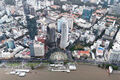
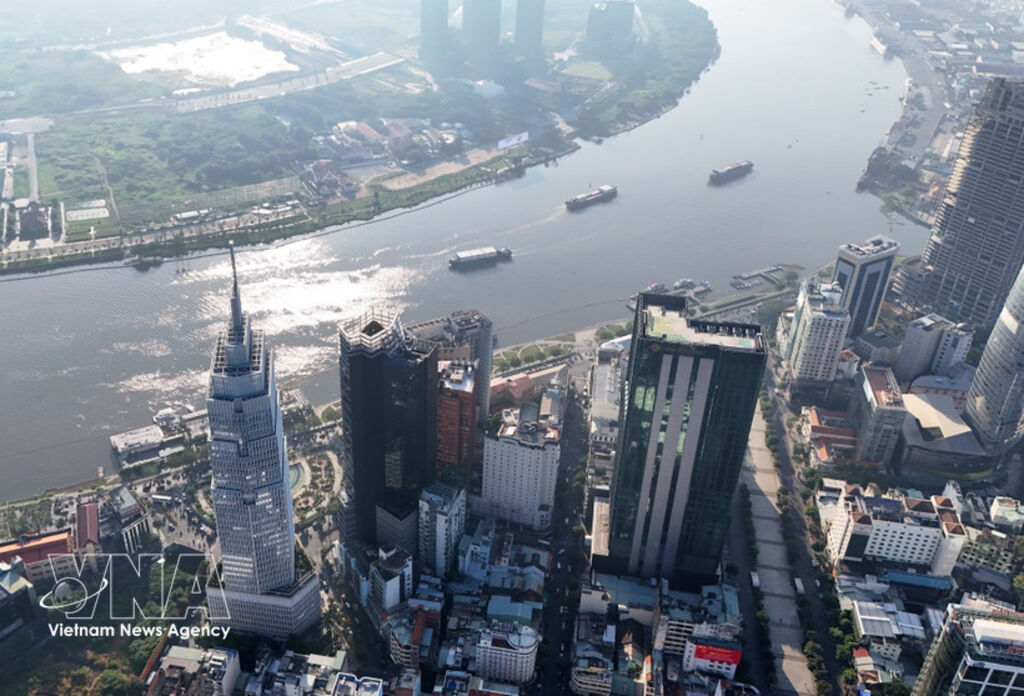
| Financial buildings in central Ho Chi Minh City along the Saigon River, facing the Thu Thiem Peninsula in An Khanh ward__Photo: VNA |
Vietnam’s International Financial Centre in Ho Chi Minh City (VIFC-HCMC) has advanced 11 places in the 2026 global financial centre rankings, marking a notable step forward in the city’s ambition to emerge as a regional financial hub and enhance its competitiveness amid accelerating global integration.
The rise reflects steady progress in developing the centre, supported by stronger engagement from the banking sector and the gradual formation of a modern, interconnected financial ecosystem.
According to the latest Global Financial Centres Index 2026 (GFCI 39), Ho Chi Minh City ranked 84th out of 120 financial centres worldwide, climbing 11 positions compared with 2025. Within ASEAN, the city now ranks third behind Singapore and Kuala Lumpur, overtaking Bangkok and Jakarta.
The improved standing signals meaningful gains in upgrading the financial business environment, strengthening infrastructure and deepening connectivity with international markets.
Ho Chi Minh City was also named among the 15 financial centres expected to expand their global influence over the next two to three years. In financial technology (fintech), the city rose seven places from the previous assessment, underscoring rapid growth in digital finance and innovation-driven financial services.
Assoc. Prof. Dr. Nguyen Huu Huan, Vice Chairman of the Executive Board of VIFC-HCMC, described the ranking jump as a strong affirmation that the strategy to develop an international financial centre is on the right trajectory. He noted that the city is gradually repositioning itself on the global financial landscape, moving beyond frontier-market status toward becoming an attractive destination for international capital flows.
Since officially commencing operations on February 11, the centre has recorded several early milestones. These include the launch of an aviation finance hub backed by more than USD 6 billion in committed investment, the development of a maritime finance centre supporting trade finance and logistics activities, and the mobilisation of around USD 2 billion for smart urban data infrastructure and financial programmes.
Meanwhile, research into establishing a digital asset investment fund with committed capital of approximately USD 1 billion is opening new pathways for next-generation financial models. These initiatives form an important foundation for Ho Chi Minh City’s long-term targets of entering the world’s top 75 financial centres by 2035 and the top 50 by 2045, reinforcing its ambition to become a dynamic financial gateway in the region.
Alongside the improved rankings, participation by commercial banks in VIFC-HCMC is accelerating, emerging as a central driver in shaping a comprehensive financial ecosystem. Many banks are actively preparing to establish a presence at the centre to take advantage of specialised policy incentives while expanding operations and enhancing competitiveness in an increasingly integrated financial landscape.
At its 2026 annual general meeting, shareholders of the Nam A Bank approved plans to establish a wholly domestically owned single-member commercial bank operating within VIFC-HCMC. The move is expected to expand the bank’s international financial activities, improve access to global capital sources and develop services tailored to cross-border transactions.
Similarly, Vietcombank plans to seek shareholder approval for the establishment of a subsidiary at the financial centre, aiming to scale up operations while aligning with higher international standards in governance, product development and risk management.
Nguyen Duc Lenh, Deputy Director of the State Bank of Vietnam’s Regional Branch 2, said proactive participation by banks not only strengthens institutional capacity and service offerings but also accelerates the development of the financial centre itself.
He noted that VIFC-HCMC is being shaped around emerging global financial trends, including sustainable finance, green finance, carbon credit markets, capital market development and advanced financial services. These areas are expected to create new growth momentum for both the banking sector and the broader economy.
Experts say the active involvement of banks helps expand the scale of financial services while improving capital allocation efficiency and facilitating smoother capital circulation throughout the economy.
An international financial centre functions as a major capital hub, where banks play a pivotal intermediary role linking businesses with domestic and global capital markets.
Investment by banks in technology, digital finance, green finance and specialised financial products is already generating visible momentum for VIFC-HCMC. Over time, these efforts are expected to strengthen the standing of Vietnam’s banking sector while laying the groundwork for Ho Chi Minh City to develop into a competitive international financial centre.
In the longer term, policymakers view the centre as a potential new growth engine, supporting Vietnam’s deeper integration into global financial networks and contributing to sustainable economic expansion.- (VNA/VLLF)