 |
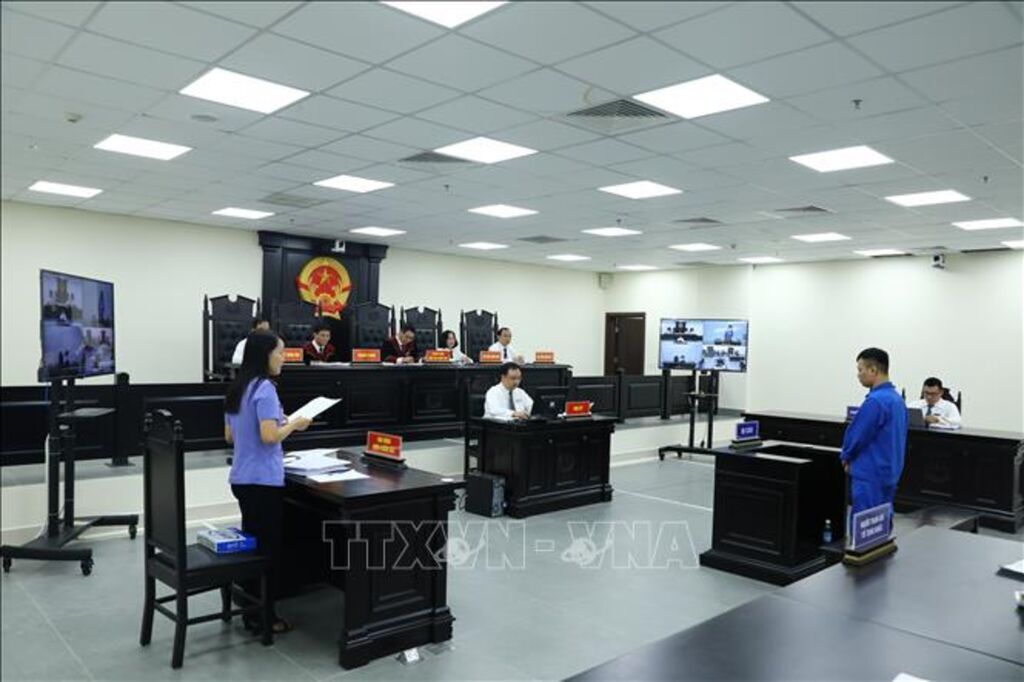
| The use of electronic devices by participants in legal proceedings is subject to the judge’s direction __ Photo: VNA |
Court permission required for laptops and smart devices
From August 1, individuals may not bring mobile phones, laptops, tablets, smartwatches or other smart devices with video-recording functions into court hearings or sessions without permission.
This is a notable provision of Supreme People’s Court Circular 12/2026/TT-TANDTC issued on May 30, on rules for court hearings and sessions and the audio and video recording of their proceedings. The circular takes effect on August 1.
Accordingly, devices capable of transmitting, collecting or storing digital data, such as mobile phones, tablets, laptops and smartwatches, may not be brought into a court hearing or session if they have video-recording functions, unless permitted by the judge chairing the hearing or session.
Meanwhile, the use of electronic devices by participants in legal proceedings to consult case files, documents or evidence, participate in online proceedings, or make audio or video recordings is subject to the judge’s direction.
Audio recordings may be made throughout the court hearing or session. Video recordings, however, may be made only during the opening of the hearing or session and the pronouncement of the judgment or announcement of the decision.
Permission from the chairing judge is required to make audio recordings during the hearing or session or to record the trial panel or judge during the opening and the pronouncement of the judgment or announcement of the decision.
Participants’ statements or images may be recorded only with the consent of both the persons concerned and the chairing judge.
Warnings for carrying children without safety seats
Under Government Decree 238/2026/ND-CP, from August 15, a warning will be issued to a driver carrying a child who is under 10 years of age and less than 1.35 metres tall without using an appropriate child restraint system as required by law.
The provision, however, does not apply to vehicles used for passenger transport services.
In case of carrying a child who is under 10 years of age and less than 1.35 metres tall in the same row of seats as the driver, a fine of between VND 800,000 and VND 1 million will be imposed, except where the vehicle has only one row of seats.
High-risk AI systems identified
The Prime Minister issued Decision 33/2026/QD-TTg on June 30, setting a list of 46 high-risk artificial intelligence (AI) systems.
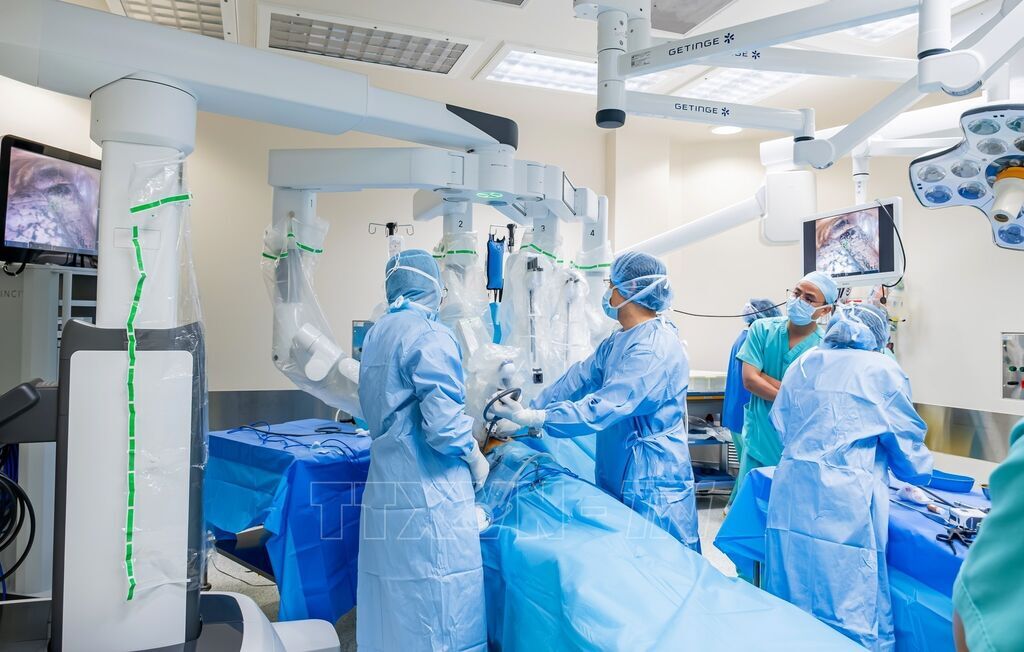 |
| FV Hospital doctors perform surgery using the Da Vinci Xi robotic system __Photo: VNA |
The list covers AI systems used in the fields of education, ethnic and religious affairs, legal proceedings, transport and banking.
According to the decision, an AI system is classified as high-risk if it is:
- Capable of causing significant harm to human life or health, the lawful rights and interests of organisations and individuals, national or public interests, or national security; and,
- Not excluded under Article 8.2 of Decree 142/2026/ND-CP, detailing a number of articles of, and measures for implementing, the Law on Artificial Intelligence.
The decision will come into force on August 15.
Spouses jointly holding land use rights to be treated as a single individual
On July 13, the Government issued Decree 281/2026/ND-CP, revising regulations on administrative penalties for land-related violations.
The decree adds Clause 2 to Article 3a of Decree 123/2024/ND-CP, providing that where spouses jointly hold land use rights, administrative penalties would be imposed on them as if they were a single individual.
Accordingly, violations involving land use rights jointly held by a husband and wife will be subject to the penalty applicable to a single individual, rather than separate penalties for each spouse or the penalty applicable to an organisation.
The new provision takes effect on August 18.
Technology-focused investors eligible for bid-evaluation preferences from August 21
Under Decree 274/2026/ND-CP, dated July 7 and effective on August 21, investors will receive a 5 per cent preference in bid evaluation if they propose using advanced technologies, high technologies or environmentally friendly technologies, or the best available techniques, to minimise environmental pollution in projects posing a high risk of adverse environmental impacts.
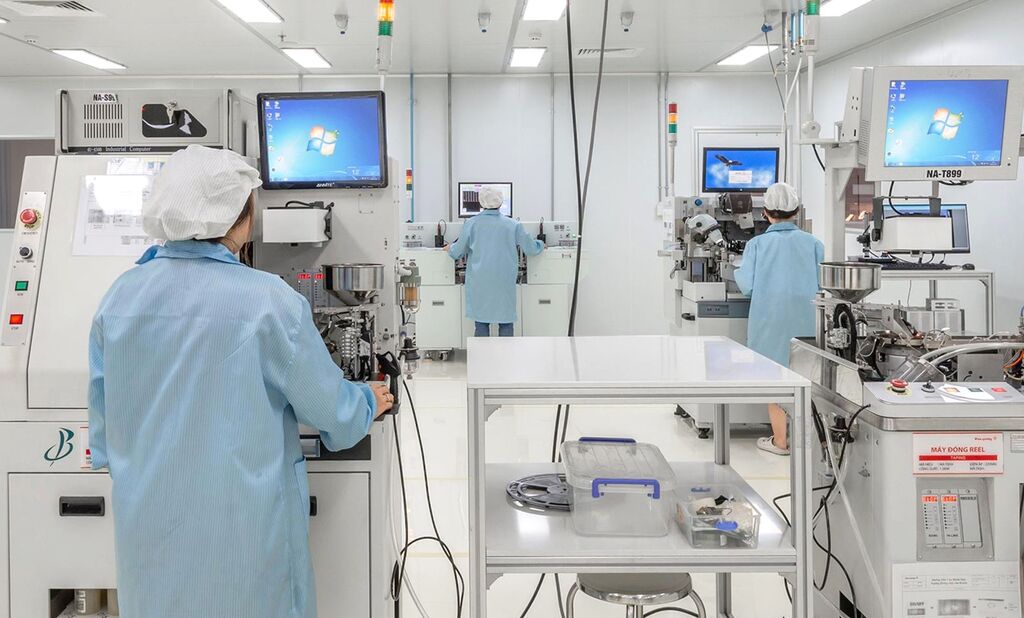 |
| Technology-enabled production at the Dien Quang High-Tech Factory in Ho Chi Minh City High-Tech Park__Photo: Thanh Vu/VNA |
Eligible investors include: science and technology enterprises; innovative start-ups and innovative start-up support organisations recognised by competent authorities; innovation centres; strategic technology enterprises; hi-tech enterprises; enterprises manufacturing hi-tech products; and hi-tech incubators and hi-tech business incubators established in accordance with the law on high technology.
Meanwhile, investors that undertake to transfer technology or carry out hi-tech activities involving high technologies or hi-tech products included in the Prime Minister’s lists of high technologies prioritised for development investment or hi-tech products encouraged for development will receive a 2 per cent preference in bid evaluation.
The 2 per cent preference will also apply to investors using technologies included in the list of technologies encouraged for transfer under the law on technology transfer or the list of strategic technologies under the law on high technology.- (VLLF)