 |
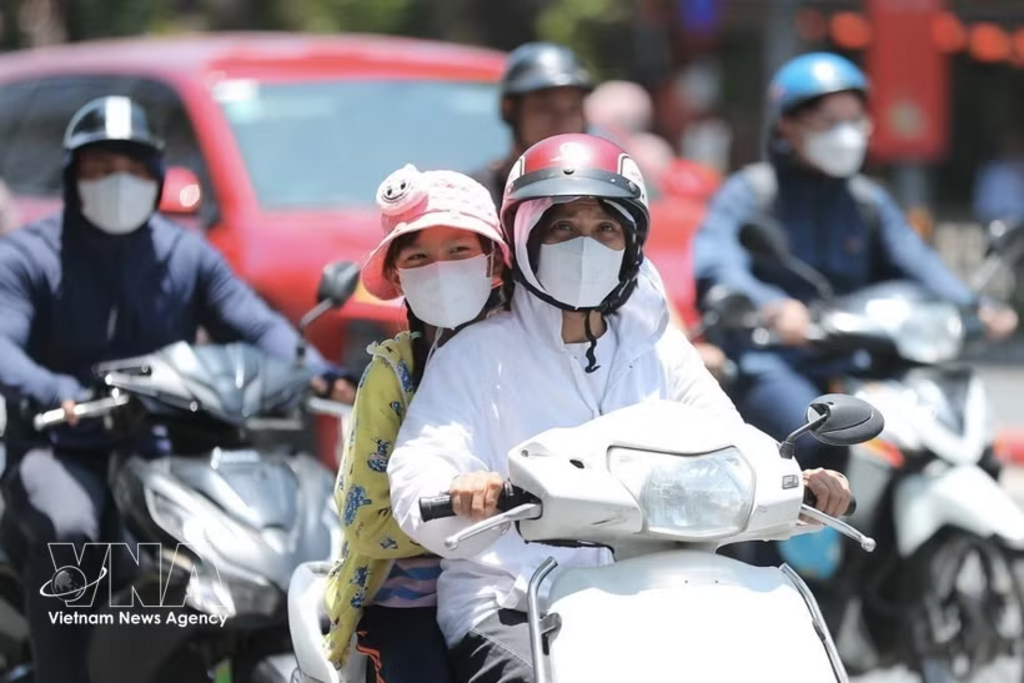
| In Hanoi, the temperature recorded in Lang Ha at 1 pm on May 26 reached 40 degrees Celsius__Photo: VNA |
Health experts have advised people to apply preventive and response measures against prolonged heat waves as northern and central localities are entering the peak of the hot season, with temperatures in many areas reaching 39-40 degrees Celsius in recent days.
According to the National Centre for Hydro-Meteorological Forecasting, temperatures in parts of the north and central regions continued to exceed 40 degrees Celsius on May 26.
In Hanoi, the temperature recorded in Lang Ha at 1 pm on May 26 reached 40 degrees Celsius.
Experts noted that temperatures forecast in official heatwave bulletins and actual outdoor heat levels may differ by 2-4 degrees Celsius, or even more, depending on factors such as asphalt and concrete coverage, green space density and water surfaces. Inner-city areas are often significantly hotter than suburban zones due to the urban heat island effect.
Health experts warned that prolonged heat exposure could cause heatstroke, heat exhaustion and other serious health conditions. High-risk groups include the elderly, children, pregnant women, people working or exercising outdoors for long periods, and those suffering from chronic illnesses such as hypertension, chronic obstructive pulmonary disease, asthma and diabetes.
To protect public health effectively, local authorities have been urged to direct healthcare, education and related sectors to strengthen communication efforts and provide guidance on preventing heat-related illnesses among residents, teachers, students and workers.
The health sector has been asked to promptly implement heat prevention measures for patients and caregivers at medical facilities, ensure adequate supplies of medicines and emergency equipment, and organise training on emergency treatment for heatstroke, heat shock and heat-related emergencies.
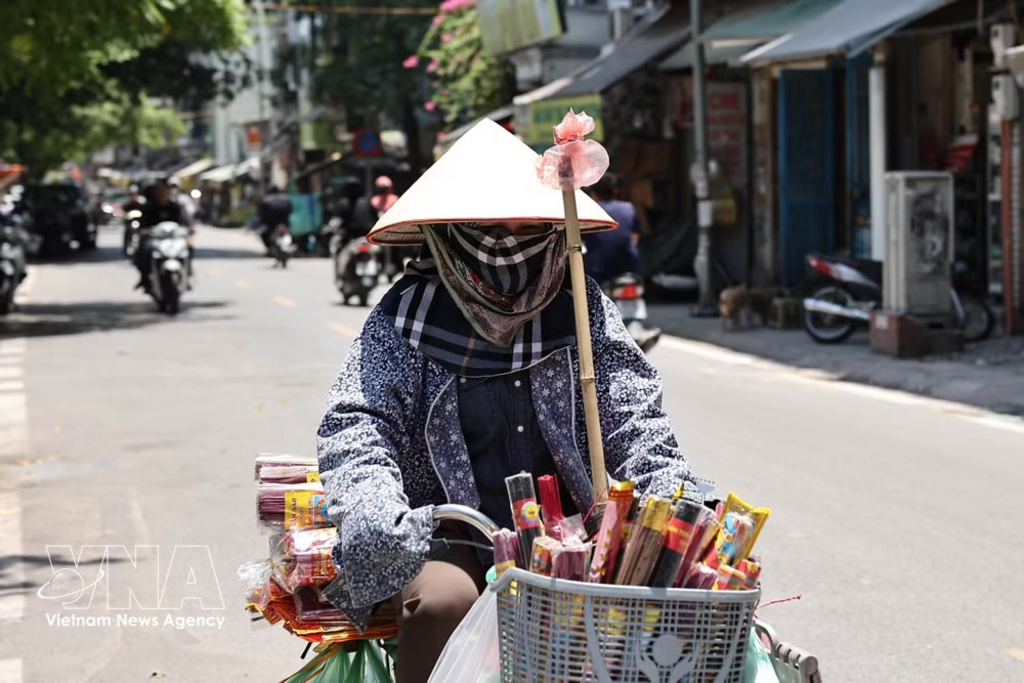 |
| A vendor works under the scorching heat. Health experts warned that prolonged heat exposure could cause heatstroke, heat exhaustion and other serious health conditions__Photo: VNA |
Hospitals are also encouraged to improve ventilation in crowded areas such as waiting halls and corridors, install additional sunshades along walkways and outdoor gathering spaces, and ensure a sufficient supply of free drinking water for patients and visitors.
The ongoing heatwave is expected to affect daily life and public health, particularly as students prepare for the high school entrance examination and the 2025-2026 national high school graduation exam.
Schools have been advised to clearly assign responsibilities to administrators, teachers and staff in monitoring and supporting students, particularly vulnerable groups such as kindergarten and primary school children, students with underlying health conditions and those participating in outdoor activities.
Educational institutions are also encouraged to adjust teaching schedules, extracurricular activities and physical education sessions flexibly to avoid extreme heat, prioritising outdoor activities during cooler morning hours.
Schools should install additional electric fans, air conditioners, ventilation systems, sunshades, water supply facilities and temporary rest areas, while ensuring students are not forced to wait outdoors under direct sunlight.
Factories, enterprises and construction sites where workers perform physically demanding outdoor tasks have also been advised to provide sufficient protective equipment and heat-resistant clothing.
Employers are encouraged to adjust working hours by starting earlier in the morning or later in the afternoon to reduce heat exposure while maintaining production and construction schedules. Additional nutritional support for workers’ meals, including healthy foods and beverages suitable for hot weather, has also been recommended.
Health authorities have further advised residents to limit outdoor activities during peak heat hours, wear light-coloured and breathable clothing, consume more vegetables and fruits, drink at least 1.5-2 litres of water daily, and maintain regular exercise to improve resilience to extreme weather conditions.- (VNA/VLLF)