 |
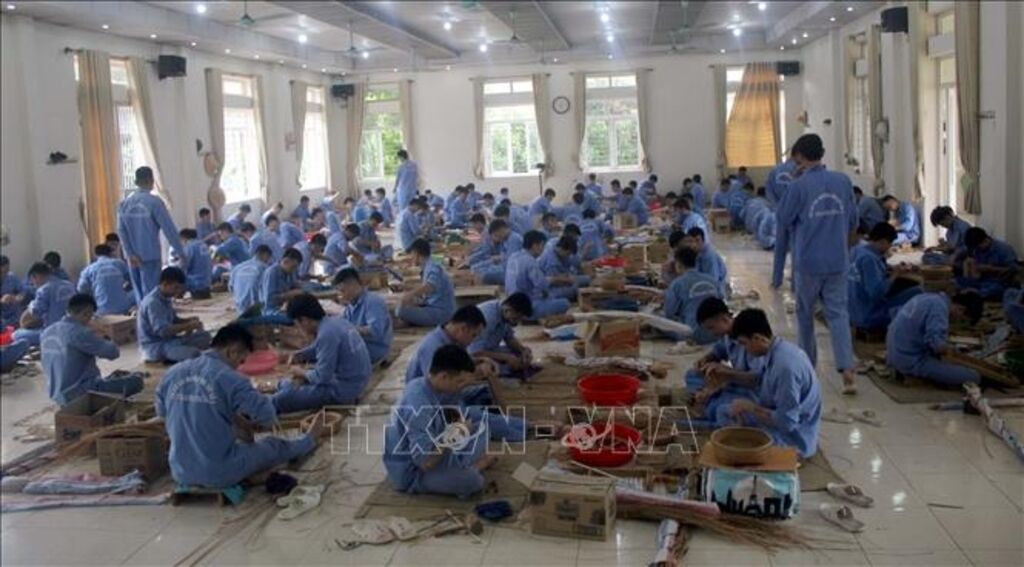
| Drug rehabilitation participants attend vocational training courses__Photo: VNA |
Under the current Law on Handling of Administrative Violations, the power to order compulsory drug rehabilitation rests with regional People’s Courts. However, the existing procedures have proved cumbersome, with multiple steps from identifying cases and preparing dossiers to court review and decision-making taking up to 27 working days.
The lengthy process places additional burdens on relevant authorities and raises security concerns while individuals await decisions in temporary detention facilities. In remote and mountainous areas, long travel distances and difficulties in transferring dossiers further complicate the process.
Senior Colonel Nguyen Van Cuong, Deputy Director of the Drug Crime Investigation Police Department, said transferring this power to chairpersons of commune-level People’s Committees would help address these bottlenecks by linking decentralised authority with responsibility for local management.
He stressed that the proposal was not intended to grant arbitrary powers but to enable local authorities to make decisions on matters occurring in their areas of responsibility while ensuring legality and accountability. As officials directly responsible for local administration, commune-level People’s Committee chairpersons would be better placed to respond promptly to drug-related problems and coordinate with local public security forces.
Beyond simplifying administrative procedures, the proposed reform is intended to strengthen the management of drug-related issues at the grassroots level, shifting the focus from handling individual cases to identifying and preventing risks at an early stage. By giving local authorities greater decision-making powers alongside clearer responsibilities, the proposal is expected to improve coordination among relevant agencies and support efforts to build drug-free communes and wards.- (VLLF)