 |
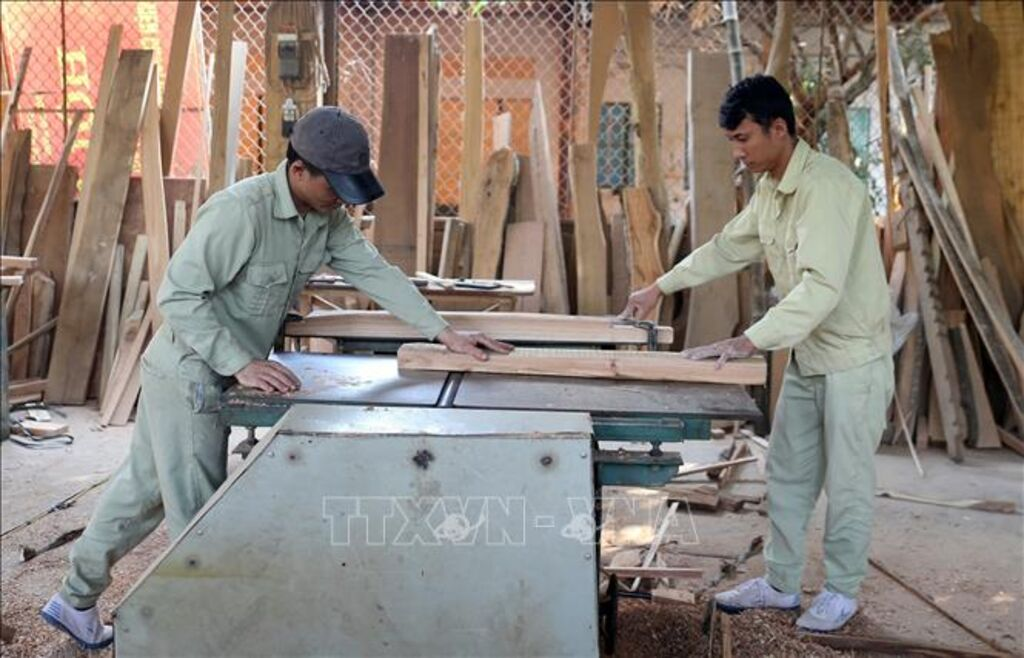
| Drug addicts undergoing rehabilitation at a facility in Bac Ninh province provided with vocational training according to their personal aspirations__Photo: Quoc Khanh/VNA |
The 2025 Law on Drug Prevention and Control (the Law) and its guiding texts, continue to improve drug rehabilitation policies through a human-centred approach aimed at achieving a sustainable reduction in demand. Under these regulations, the State will guarantee access to rehabilitation services and provide individuals registering at public drug rehabilitation facilities with full financial support, thereby enabling them to proactively reintegrate into the community.
In addition to medical treatment, public drug rehabilitation facilities place strong emphasis on education and character rehabilitation for drug addicts undergoing the rehabilitation. They may participate in law education, drill exercises, internal regulation training, political education and the development of collective living habits and interpersonal skills in a disciplined environment, thereby preventing addiction relapse upon their return to their places of residence.
Notably, drug rehabilitation efforts are closely linked with career guidance and occupational therapy under Article 87 of Decree 163/2026/ND-CP. Those undergoing drug rehabilitation will be provided with vocational training suited to their qualifications and aspirations. Results from occupational therapy will be transparently recorded and reported, with net proceeds, after deducting reasonable expenses, reinvested into services for such individuals themselves, with a view to equipping them with practical skills to secure future employment and livelihood stability.
Improving the quality of drug rehabilitation at public drug rehabilitation facilities is a core requirement in implementing the policy of prioritising prevention alongside demand reduction and harm reduction.- (VLLF)