|
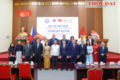
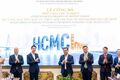
| Some experts at the Vietnam – US Business Connection forum held in Ho Chi Minh City on July 10, 2026__Photo: VNA |
Vietnamese businesses need to enhance their competitiveness, meet increasingly stringent standards and adopt effective market-entry strategies to seize opportunities arising from the deepening Vietnam – US economic ties and global supply chain shifts, experts said at a forum in Ho Chi Minh City on July 10.
The "Vietnam – US Business Connection" forum was jointly organised by the Investment and Trade Promotion Centre of Ho Chi Minh City (ITPC), the US – Vietnam Business Council (UVBC), and the Association of Vietnamese Students and Professionals in the US (AVSPUS).
ITPC Deputy Director Cao Thi Phi Van said economic relations between Vietnam and the US have maintained positive growth momentum, reflecting their economies' resilience and adaptability amid continued volatility in global trade.
She noted that US trade policies are undergoing significant adjustments, particularly regarding import tariffs and technical barriers, requiring businesses of both sides to adopt more flexible approaches, diversify cooperation methods and explore new business models to build long-term and sustainable links.
Trade remedy measures targeting Vietnamese exports are also increasing, particularly in the steel, wood, agricultural and fisheries sectors. Wood exports to the US fell 6.5 per cent in the first half of 2026 from a year earlier despite overall growth in Vietnam's wood exports.
Businesses were advised to improve transparency in product origin, comply with import regulations and diversify export markets to reduce risks and support sustainable growth.
Meanwhile, Ho Chi Minh City attracted more than USD 80 million in newly registered and additional capital from US investors during the January–June period.
Joe Trung Trinh, Executive Director of the UVBC, said the figures reflect US businesses' continued confidence in Vietnam's investment environment, particularly in technology, manufacturing and services.
Dr Huynh The Du, a lecturer at Indiana University and Chairman of the AVSPUS, said the trade structures of Vietnam and the US are highly complementary, with Vietnam mainly exporting manufactured goods while the US supplies advanced technology, equipment and high-value agricultural products.
He said the ongoing "China+1" supply chain diversification strategy presents major opportunities for Vietnam to attract high-tech investments, especially in semiconductors and clean energy.
Major US corporations, including Intel and suppliers in Apple's supply chain, have helped position Vietnam as an important manufacturing base for high-tech electronic components. Boeing is boosting collaboration to develop its aviation supply chains and manpower training while FedEx, UPS and many logistics infrastructure investment funds are also expanding their presence in the country.
However, the lecturer stressed that to convert these opportunities into growth, it is a must for Vietnam to continue improving its investment climate, upgrading logistics and energy infrastructure, accelerating digital transformation and developing a highly skilled workforce that meets requirement of emerging technology sectors.
Businesses should also enhance supply chain transparency, comply with increasingly stringent technical and environmental standards, diversify products and increase value-added content to maintain competitiveness, he went on, adding that selectively attracting high-tech FDI projects, bolstering technology transfer, and maintaining dialogue will also help advance bilateral economic relations in a balanced, stable, and mutually beneficial manner.
Huynh Triet, a trade and investment specialist at the US Commercial Service in Ho Chi Minh City, introduced SelectUSA, the US Government's foreign direct investment promotion programme, which provides foreign companies with investment advice, regulatory guidance and connections with states and economic development organisations in the US.
Meanwhile, Ionah Hang Nguyen, Director of the VUS Advisory Network of the AVSPUS, recommended that Vietnamese firms adopt suitable market-entry models, including direct exports, distributor partnerships, e-commerce, franchising, joint ventures or establishment of US subsidiaries, depending on their scale and business strategy.
For companies seeking to test the market at a lower cost, the Employer of Record (EOR) model enables the recruitment of employees in the US without establishing a legal entity.
For the business-to-consumer market, she suggested them first target niche markets or the community of 4.5 million Vietnamese in the US before expanding further. They should also move beyond selling products to building strong "Made in Vietnam" brands centred on quality, identity and customer experience to secure long-term competitiveness.- (VNA/VLLF)