 |
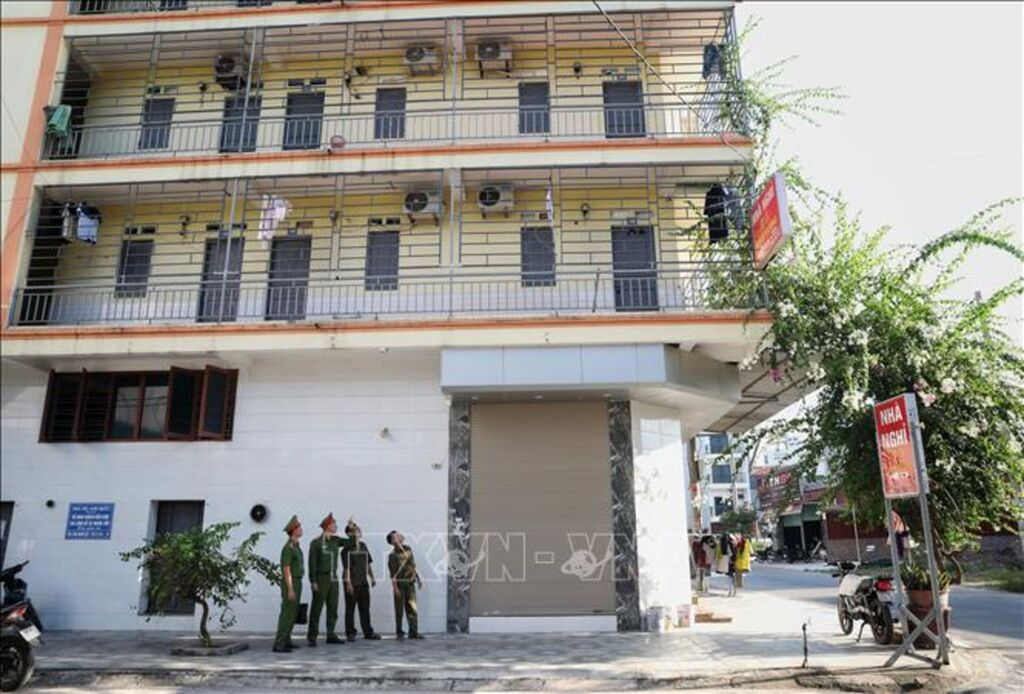
| “Drug-free lodgings” model__Photo: Danh Lam/VNA |
Public security forces in Bac Ninh city are stepping up efforts to dismantle illicit drug trafficking and transport networks while tightening the management of drug addicts and illicit users across key areas, especially industrial parks and clusters. During the first nine months of 2026, the local public security forces conducted more than 330 legal knowledge dissemination sessions in communes and wards, 110 sessions for workers in industrial parks and 112 at educational institutions, alongside an online legal knowledge contest on drug prevention and control that attracted over 84,000 entries from 1,273 units.
According to Lieutenant Colonel Than Van Loi, Deputy Head of the Police Division for Drug-Related Crime Investigation under the Bac Ninh city’s Public Security Department, the city’s numerous industrial parks attract a large influx of migrant workers from other provinces and cities, creating complex security challenges. Criminal groups increasingly deploy sophisticated methods to evade detection, frequently changing transport vehicles, routes, times and drop-off locations while using anonymous accounts on social media platforms such as Zalo, Facebook and Telegram to arrange deals. Some offenders use commercial parcel delivery services to transport drugs and carry weapons to resist arrest, prompting investigators to prioritise dismantling large-scale, inter-provincial trafficking rings and eradicating venues that organise or harbour illicit drug use.
Alongside the direct criminal enforcement, local authorities treat the close management of drug addicts, illicit users and people who have undergone rehabilitation as essential to curbing the root causes of crime and preventing recidivism. Drug-related crime investigators have prepared dossiers to consign drug addicts into compulsory drug rehabilitation facilities, while commune- and ward-level public security officers maintain updated records on high-risk groups. They also coordinate closely with families, grassroots authorities and mass organisations to counsel and assist drug addicts and people who have undergone rehabilitation in reintegrating into the community.
Tailored grassroots prevention models further reinforce these statutory measures in high-density rental areas. In Tam Giang commune, local public security forces and the Police Division for Drug-Related Crime Investigation have rolled out a “drug-free lodgings” model targeting those that house migrant industrial workers. Through this initiative, officers instruct landlords on strict compliance with residence registration and management regulations, encouraging both property owners and tenants to sign formal commitments against participating in, aiding or harbouring violations of the law on drug prevention and control and to report suspicious activities promptly.
Looking ahead, the city’s public security forces will continue targeting large-scale, inter-provincial narcotics networks while expanding self-managed community models and mobilising grassroots security forces and the public to report offences. By anchoring prevention in residential areas and linking the enforcement with area transformation drives, authorities aim to build drug-free communes and wards, prevent the emergence of public order hotspots and safeguard community safety.- (VLLF)