 |
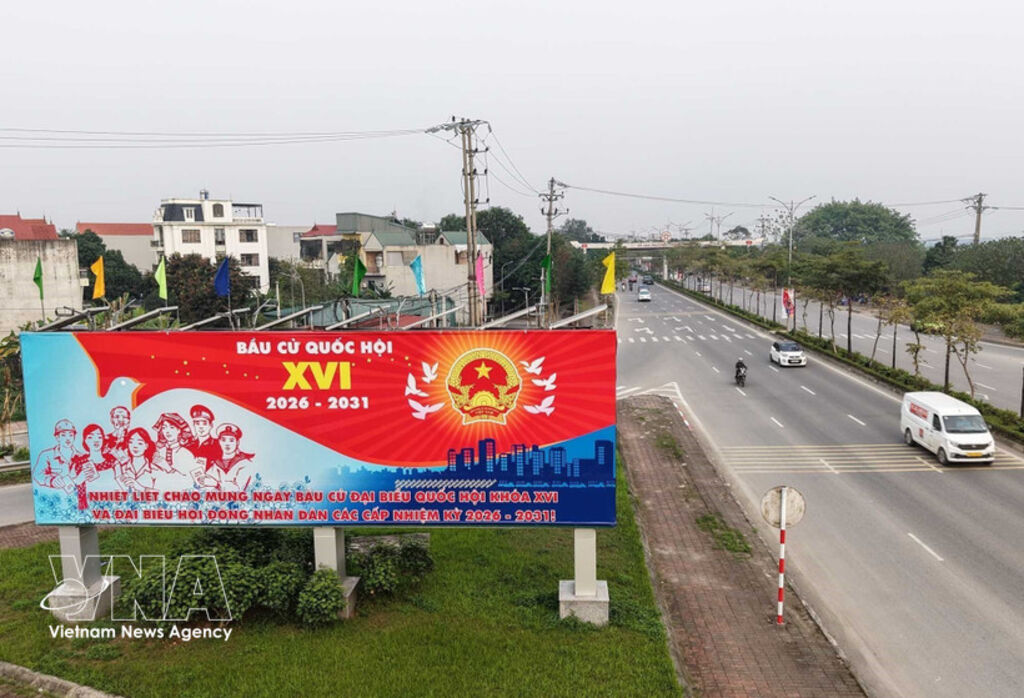
| The election of deputies to the 16th National Assembly and People’s Councils at all levels for the 2026–2031 tenure is scheduled for May 15, 2026__Photo: VNA |
As Vietnam prepares for the election of deputies to the 16th National Assembly and People’s Councils at all levels for the 2026-31 tenure, the major political event has drawn strong attention not only at home but also among overseas Vietnamese communities, including those in Germany, who hope the election will further strengthen democracy and support the country’s development in a new phase.
In an interview with Vietnam News Agency correspondents in Germany, Nguyen Duc Thang, Executive Committee member of the Germany–Vietnam Association and President of the October Arts Club, said the elections take place as Vietnam implements major reforms aimed at streamlining the administrative apparatus and restructuring administrative units. They are importants steps to improve national governance and lay foundations for future growth, he added.
According to Thang, the 16th National Assembly election continues Vietnam’s electoral tradition dating back to the 1946 General Election and subsequent milestones in parliamentary development. Selecting capable, responsible and visionary representatives will help reinforce democratic foundations, ensure the people’s right to mastery, and enhance the effectiveness of the country’s highest state authority.
He stressed that amid ongoing administrative reforms, voters play an increasingly important role in choosing credible and competent representatives to decide key national issues, thereby strengthening policy legitimacy and fostering social consensus for restructuring and reorganising of the political system’s organisational apparatus.
Thang also noted that major reform agendas, including civil service downsizing, organisational restructuring and improved governance, require National Assembly and People’s Council deputies with strong expertise, political resolve and long-term vision. The elections are therefore expected to help build a more streamlined yet higher-quality representative system, enabling more substantive legislative activities and stronger oversight of executive bodies, while ensuring socio-economic policies better reflect practical realities.
From the perspective of an overseas Vietnamese in Germany, he expressed confidence that the elections will further strengthen ties between overseas Vietnamese and national development. He emphasised that the more than 6.5 million Vietnamese living abroad form an integral part of the national community and are increasingly interested in policies affecting their rights and connections with the homeland.
Amid Vietnam’s deepening international integration, overseas Vietnamese hope that future legislators will pay greater attention to improving policies related to nationality and legal procedures, creating more favourable conditions for retaining or restoring Vietnamese citizenship and considering more flexible dual-nationality mechanisms.
The overseas community is also concerned with preserving the Vietnamese language and cultural identity among younger generations. Thang suggested expanding Vietnamese-language teaching programmes, providing online learning materials from Vietnam, and supporting cultural centres and community classes abroad. He also proposed increasing exchange initiatives such as summer camps and heritage visits to help young overseas Vietnamese better understand the country’s history, culture and development, said the Germany–Vietnam Association Executive Committee member.
He expressed his hope that in the near future Vietnamese citizens living overseas could vote directly in their countries of residence, enabling them to participate more actively in selecting representatives and contributing to Vietnam’s dynamic and sustainable development.- (VNA/VLLF)