 |
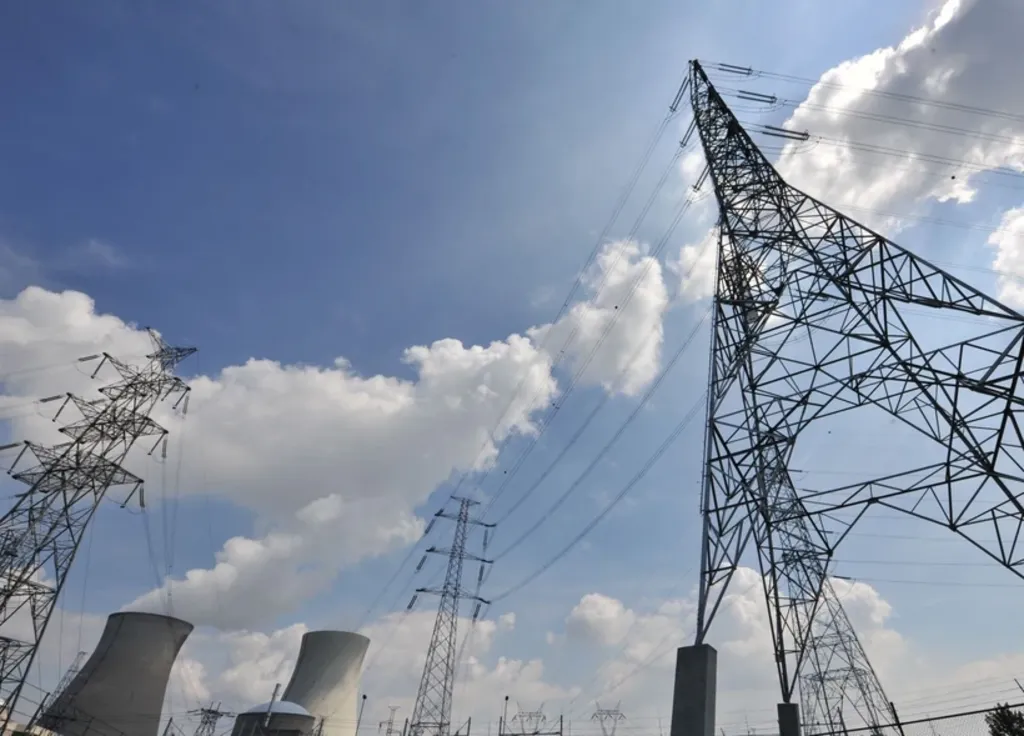
| By 2035, it is targeted to complete and put into safe operation two nuclear power plants of Ninh Thuan 1 and Ninh Thuan 2__Photo: VNA |
Vietnam determines to intensify the development and use of atomic energy for peaceful purposes, according to the Strategy issued by Deputy Prime Minister Nguyen Chi Dung under Decision 438/QD-TTg dated March 16.
The overall objective of the strategy is to ensure the safe and secure development and use of atomic energy, effectively serving national socio-economic development, improving the people’s living standards, protecting the environment, and assuring national energy security, thereby achieving net-zero emissions by 2050.
The strategy also aims to commission nuclear power plants safely and efficiently, ensuring the supply of sufficient power for digital transformation and green transition, and realising the major objectives of the national nuclear power development programme.
Specifically, by 2035, it is targeted to complete and put into safe operation two nuclear power plants of Ninh Thuan 1 and Ninh Thuan 2. The strategy seeks to increase the participation of domestic enterprises in these projects to approximately 30 per cent of total investment in the construction and installation of supporting components, and in the operation of at least one small modular reactor project.
It also aims to expand the scale and economic efficiency of radiation and radioisotope development and application by 2035, achieving an annual growth rate of 10-15 per cent.
In the healthcare sector, radiation applications are expected to reach the advanced level within ASEAN, with targets of having 20 computed tomography scanners, 10 magnetic resonance imaging machines, one gamma camera, and one to two linear accelerators per one million people, alongside the full digitisation of X-ray systems.
Furthermore, a system of advanced research facilities will be established, including two national key laboratories focusing on nuclear power technology and rare earth, uranium, and titanium technologies, as well as three to five advanced laboratories. The strategy also urges the formation of at least five research groups capable of mastering nuclear technologies to be used in those nuclear power projects and research reactors.
Meanwhile, three to five higher education institutions specialising in nuclear power will be built up to international standards.
By 2050, atomic energy is projected to become a key techno-economic sector, making a significant contribution to the national energy security, green economy, and sustainable national development. In light of this, nuclear power is expected to account for 6-8 per cent of total national electricity output, with the addition of some four large-scale reactors and 10-15 small modular reactors.- (VLLF)