 |
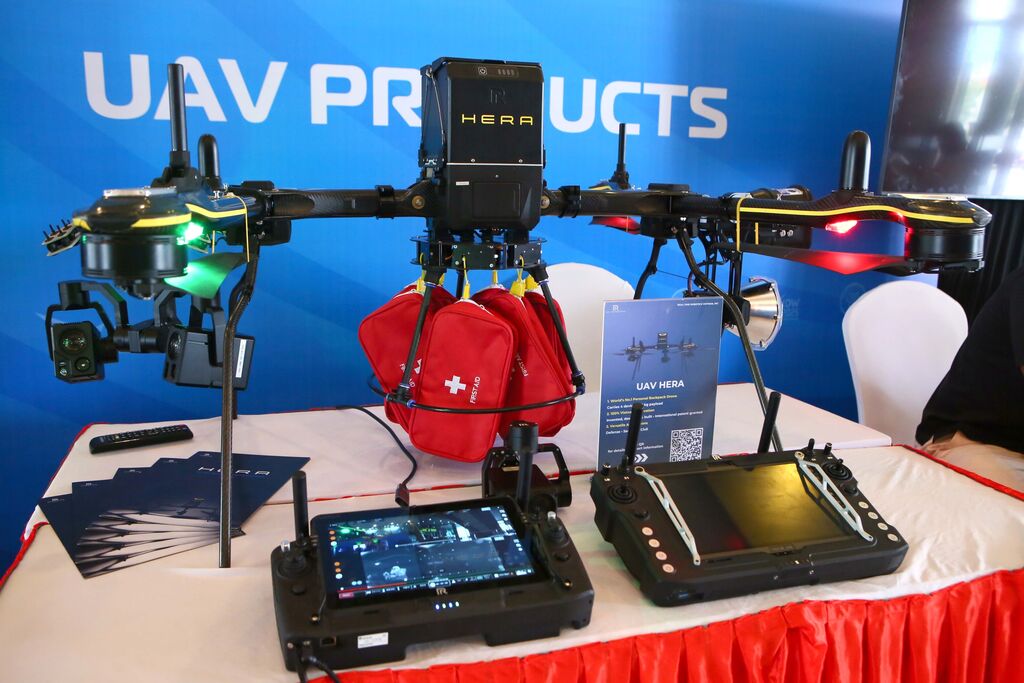
| Drones used for economic, military and rescue purposes on display at the 2025 Vietnam International Digital Week__Photo: Cong Luat/VNA |
Coming into force on July 1 this year, the 2025 High Technology Law (the Law) marks a significant shift in institutional thinking on the development of science, technology and innovation.
Beyond financial incentives, the Law sets a legal landscape that is sufficiently open and secure to promote investment of enterprises and scientists in complex, emerging and high-risk technologies. It is expected to open up a “new development space”, address structural bottlenecks in the hi-tech ecosystem, and support the country’s transition towards greater autonomy, self-reliance and breakthrough growth in the digital era.
Consisting of six chapters and 27 articles, eight fewer than its 2008 predecessor, the Law focuses on six major policy groups: refining high technology definitions and criteria; restructuring policy frameworks and eligible beneficiaries for preferential treatment, incentives and investment support; promoting the hi-tech ecosystem; adding provisions on hi-tech parks and hi-tech urban models; strengthening state management, supervision and evaluation mechanisms; and introducing requirements for comprehensive digital transformation in hi-tech activities.
Legalisation of strategic technologies and strategic industries
For the first time, the Law provides two concepts, namely strategic technologies and strategic industries. Strategic technologies are defined as breakthrough and high-impact technologies prioritised by the State for investment to enhance national autonomy and competitiveness. Meanwhile, strategic industries refer to industries producing strategic technology products and providing strategic technology services.
Such new concepts enable the State to concentrate resources on technologies with long-term economic impact. Unlike conventional high technologies, strategic technologies must meet additional criteria, including the creation of sustainable national competitive advantages, the formation of new production modes, and most importantly, the capacity to develop high technologies from core technologies mastered by Vietnamese entities.
The Law also clearly distinguishes high technologies that produce superior-quality products from strategic technologies that are closely linked to national security and defence and the survival of an autonomous economy. This distinction enables the State to channel top-tier incentives and budgetary resources to strategic sectors, rather than dispersing them across all hi-tech enterprises.
Enterprises operating in these sectors will be entitled to the highest incentives provided by the investment, taxation and land laws. Projects producing strategic technology products may also benefit from special investment incentives.
The Ministry of Science and Technology will take charge of reviewing and submitting to the Prime Minister for promulgation the list of high technologies prioritised for development and the list of strategic technologies. Such lists will be updated periodically to meet different socio-economic development requirements.
Market access through public procurement
The Law sets outs a mechanism to expand market access through public procurement. It provides special bidding arrangements that prioritise the investment of state funds in, lease or procure hi-tech and strategic technology products and services. The inclusion of these products in the preferential procurement lists helps address the “output” challenge faced by Vietnamese technology products.
This policy is particularly important, as many domestic technology enterprises face challenges in commercialising their products. By acting as the “first customer”, the State can strengthen business confidence in long-term investment while facilitating the creation of a domestic market powerful enough to sustain the hi-tech ecosystem.
Addressing bottlenecks in technological autonomy is a central objective of the Law. Accordingly, the State will apply special mechanisms for technology decoding and the acquisition of know-how in strategic technologies, while also providing financial aid to enterprises to replace imported core products and components.
This approach not only increases the localisation rate but also paves the way for the country for deeper integration into global value chains, enabling a shift from outsourcing and assembly to technological mastery and innovation.
The State shall encourage domestic enterprises, particularly small- and medium-sized enterprises and innovative start-ups, to invest in, develop and commercialise high technologies. It also promotes research institutes and universities engaged in research and development (R&D) to develop hi-tech enterprises and accelerate the commercialisation of research outcomes.
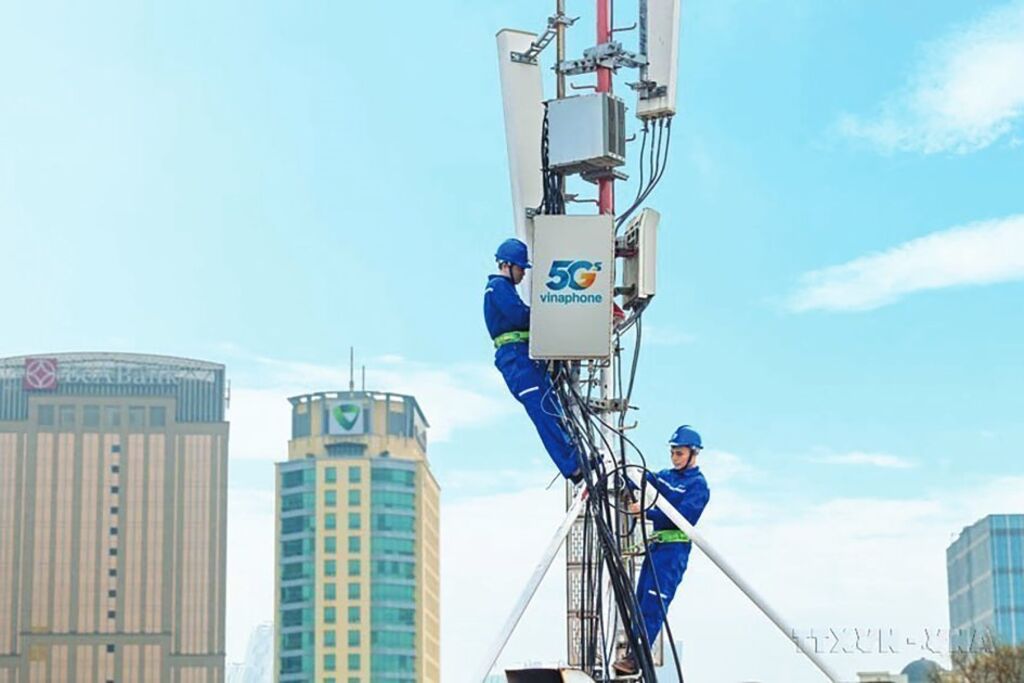 |
| VNPT Group installs VinaPhone 5G infrastructure and base stations nationwide__Photo: Minh Quyet/VNA |
The Law prioritises foreign direct investment projects that involve the transfer of core technologies and establish linkages with domestic enterprises, with a view to strengthening national technological capacity and avoiding a scenario in which foreign investors merely bring outdated technologies into the country and take advantage of domestic low-cost labour. It additionally specifies “hi-tech urban areas” as hubs for R&D and application of high technologies aligned with sustainable urban development.
Exceptional incentives to attract high-quality human resources
The Law offers substantial incentives for hi-tech talents, including domestic and overseas Vietnamese, international experts, chief engineers, specialists and experienced scientists. They are entitled to top-tier personal income tax incentives and are given priority for direct assignment of scientific and technological tasks under special national programmes.
In addition to financial incentives, the Law provides favourable living and working conditions, from housing support to simplified procedures for immigration, residency and work permit. R&D experts will also have access to shared-use laboratories and hi-tech research facilities, along with support for intellectual property protection and commercialisation.
The Law further strengthens decentralisation of powers to local authorities. Provincial-level People’s Committees will be granted the authority to establish and manage hi-tech parks, thereby enhancing their proactivity and flexibility in attracting investment. All administrative procedures will be carried out via national digital platforms, ensuring transparency, objectivity and streamlined process.
With such special incentives, the Law is expected to drive R&D investment, nurture leading enterprises and major technology conglomerates, and enhance their capacity to lead value chains and compete in global markets.- (VLLF)