 |
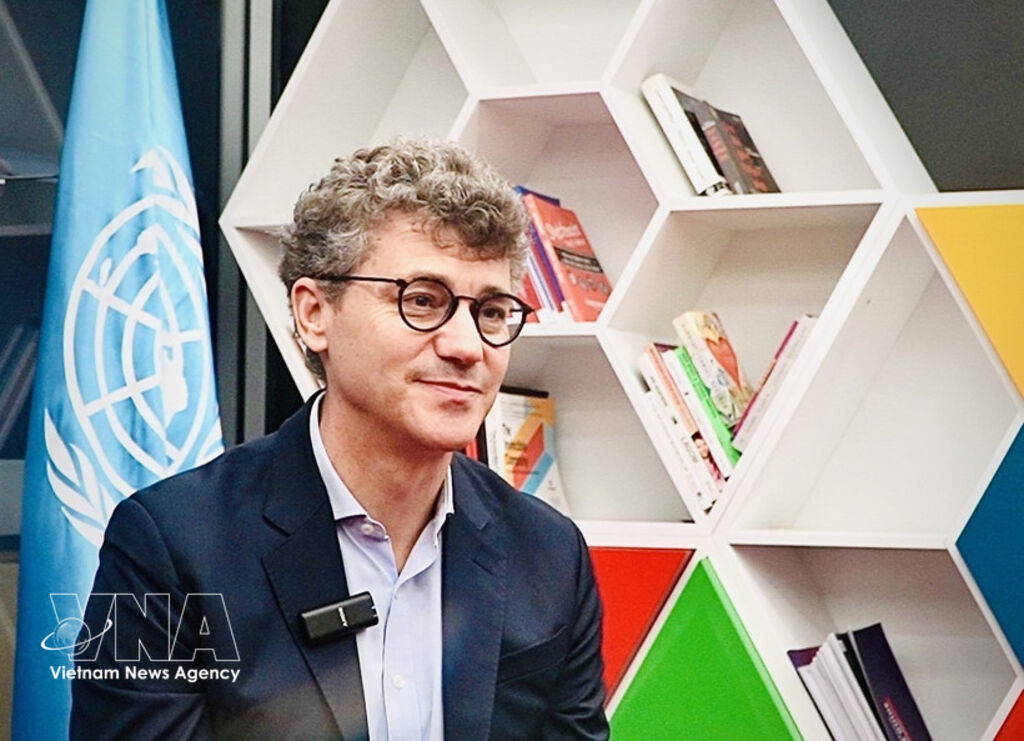
| UNESCO Representative to Vietnam Jonathan Baker__Photo: VNA |
Investing in people and culture is key to the happiness of the Vietnamese people, UNESCO Representative to Vietnam Jonathan Baker said as the country joins the global celebration of the International Day of Happiness (March 20).
Vietnam has been widely recognised for its remarkable progress in improving the well-being and happiness of its people, Baker said in an interview to the Vietnam News Agency on the occasion.
This reflects an approach to development that goes beyond economic growth alone, placing strong emphasis on sustainable and holistic human development, he said.
Vietnam’s leaders do not view the country merely as an abstract entity, but through the lives and well-being of its people.
“In the two years that I have been here, I have consistently heard leaders underscore the importance of supporting the Vietnamese people and investing in their future,” Baker said.
At the core of Vietnam’s success in improving happiness levels is this strong and sustained investment in people, he emphasised, adding that it includes increased financial investment in the education system, as well as support for teachers and learners.
At the same time, Vietnam stands out globally for recognising culture as a fundamental component of development. Investment in culture and national identity has made a meaningful contribution to people’s sense of well-being and happiness.
“Vienam is a success story, and it is one that I have witnessed firsthand during my time working here,” he said.
He added that one of the most encouraging signals that can be observed is Vietnam’s sustained investment in culture, education, science, technology, and innovation. This is clearly reflected across key policy directions, from Resolution No. 57-NQ/TW, which places science, technology and innovation at the center of growth, to Resolution No. 80-NQ/TW, which reaffirms culture as both a foundation and a driver of sustainable development.
At the same time, Resolution No. 71 on education and Resolution No. 72 on public health extend this vision by strengthening human capabilities through more inclusive, quality education and improved access to healthcare and well-being. For example, Vietnam is launching the construction of inter-level boarding schools in border communes, helping to expand access to education for children in disadvantaged and remote areas.
Taken together, these resolutions point to a coherent, integrated approach that combines economic transformation with investments in human development, social cohesion, and quality of life.
“The Government’s continued and consistent investment across these sectors is a highly positive sign. It demonstrates a clear understanding of the core priorities needed to sustain progress and enable Vietnam to advance further in the years ahead,” Baker said.
Looking ahead, the UNESCO representative expressed confidence in Vietnam’s development trajectory, particularly its ambition to become a high-income country by 2045.
To sustain this momentum, he emphasised the importance of continuing to prioritise key sectors such as education, science, technology, innovation, and culture. “Vietnam’s recognition of the importance of these areas is critical to maintaining its development trajectory,” he said.
He also underscored the need to ensure that the benefits of growth are shared equitably across society. UNESCO, he added, will continue to work closely with Vietnam and its cities to promote sustainable and inclusive development.
“We are committed to supporting efforts to ensure that the benefits of science, technology, and innovation are equitably shared, so that all people, including those in remote and disadvantaged areas, can access and benefit from the remarkable progress that Vietnam is experiencing,” he said.- (VNA/VLLF)